
Saving Your Natural Tooth When Pain Strikes
When tooth pain becomes sharp, persistent, or throbbing, it may be a sign of an infection deep within the tooth. While many dental emergencies can be treated with teeth fillings or dental crowns, sometimes the only way to stop the pain and save your natural tooth is through root canal therapy.
At Refresh Valley Dental in Northampton, MA, Dr. Aurora Fields provides gentle, effective root canal treatment to relieve pain and prevent further damage. Modern root canal procedures are comfortable, precise, and designed to preserve your smile—not cause more discomfort.
If you’re experiencing severe pain, swelling, or sensitivity to heat or cold, call our Northampton emergency dentists near you at (413) 387-4585 for same-day emergency dental care. The sooner you receive treatment, the greater the chance of saving your tooth and protecting your long-term oral health.
 What Is a Root Canal?
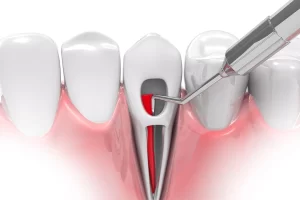
A root canal—also known as endodontic treatment—is a dental procedure used to remove infected or damaged tissue from inside a tooth. Beneath the hard enamel and dentin layers lies the dental pulp, which contains blood vessels, nerves, and connective tissue. When this area becomes inflamed or infected, the pain can be intense, and the infection can spread to soft tissues and surrounding bone.
During a root canal procedure, Dr. Fields removes the infected pulp, cleans and disinfects the pulp chamber and tooth root, and then fills it with a rubber-like material called gutta-percha. The restored tooth is then sealed with a temporary filling or covered with a permanent crown to prevent future infection.
When You Might Need a Root Canal in a Dental Emergency
Not all toothaches mean you’ll need a root canal, but there are specific warning signs that the inner tooth’s nerve or pulp may be damaged or infected. You might need root canal therapy if you experience:
- Severe pain when chewing or applying pressure
- Prolonged sensitivity to hot or cold temperatures
- Swelling in the gums or face
- A pimple-like bump on the gums (indicating a tooth abscess)
- Dark discoloration or grayish color in the infected tooth
- Pain that wakes you at night or radiates to the jaw and ear
These symptoms often signal an infection inside the tooth, which cannot heal on its own. Without treatment, bacteria can spread into the surrounding bone, causing abscesses and permanent damage.
In some cases, an injury to the tooth—such as a crack, deep cavity, or trauma—can expose the pulp, leading to inflammation or infection. Even if the tooth looks fine externally, the tooth’s nerve may be compromised. That’s why it’s essential to see your dentist as soon as possible.
How Dental Infections Develop
A root canal infection often begins with deep decay or an untreated cavity that allows bacteria to penetrate the inner pulp. Other causes include:
- Repeated dental procedures on the same tooth
- A tooth fracture that exposes inner layers
- Injury to the tooth without visible cracks
- Untreated gum disease spreading to the tooth’s root
When left untreated, the infection can cause an abscess—an accumulation of pus that leads to swelling, severe pain, and damage to surrounding tissues. In advanced cases, the infection can affect adjacent teeth or even enter the bloodstream, posing risks to your overall health.
The Root Canal Procedure Explained
If Dr. Fields determines you need a root canal treatment, the process typically takes one or two visits and provides immediate relief from tooth pain. Here’s what you can expect:
Step 1: Exam and Diagnosis
After taking X-rays to assess the infection and tooth structure, Dr. Fields will determine the extent of pulp damage and discuss your treatment options.
Step 2: Local Anesthetic and Isolation
To ensure you feel no pain during the procedure, a local anesthetic is administered. A dental dam is placed over the tooth to isolate it and keep the area clean and dry throughout the process.
Step 3: Removing the Infected Pulp
A small opening is made in the tooth’s crown to access the infected area. Using small files, Dr. Fields removes the infected pulp and cleans the inside of the tooth, including the root canals.
Step 4: Disinfection and Filling
The empty canals are disinfected to eliminate bacteria and prevent reinfection. The canals are then filled with gutta-percha, a rubber-like material, to seal the tooth and restore stability.
Step 5: Restoration and Protection
After cleaning and sealing, a temporary filling may be placed to protect the tooth. In most cases, a permanent crown is recommended to restore full strength and function. Porcelain-fused crowns blend seamlessly with your natural teeth for a strong and aesthetic result.

Why Root Canal Therapy Is Preferable to Extraction
While tooth extraction might seem like a quicker solution, preserving your natural tooth has major advantages. Keeping your natural roots helps maintain the integrity of your surrounding bone and prevents shifting of adjacent teeth.
With proper care, a treated tooth can last a lifetime—making root canal therapy one of the most reliable dental treatments available. Extraction, on the other hand, often requires a dental implant or bridge to replace the missing tooth and prevent bone loss.
Pain Relief and Recovery After a Root Canal
Contrary to old myths, modern root canal procedures are no more uncomfortable than getting a filling. The goal is to alleviate pain, not cause it. Most patients report immediate relief from tooth pain after treatment, as the source of infection has been removed.
For the first 24 to 48 hours, it’s normal to experience mild tenderness or sensitivity as your body heals. Avoid chewing on the treated side until your permanent crown is placed. Stick to soft foods and maintain gentle brushing and flossing around the area.
Dr. Fields may prescribe antibiotics if swelling was present, ensuring all infection is eliminated. Attend your follow-up visit to complete your dental restoration and ensure proper healing.
How to Prevent Future Root Canal Infections
Once you’ve healed, keeping your mouth healthy helps prevent future issues. Here’s how to protect your teeth and gums:
- Brush twice daily with fluoride toothpaste.
- Floss once a day to remove food debris and bacteria.
- Avoid biting down on hard items like ice or pens.
- Wear a mouthguard if you grind your teeth or play sports.
- Schedule regular checkups with your dentist every six months.
Early detection of deep cavities or cracks can often stop a problem before it requires root canal treatment.
When to See a Dentist Immediately
 When to See a Dentist Immediately
You should contact Refresh Valley Dental right away if you experience:
- Persistent tooth pain that doesn’t go away
- Swelling in the gums or jaw
- A tooth abscess or visible pus
- A cracked tooth that’s sensitive to pressure or temperature
- Darkening or discoloration of a tooth
- Pain that radiates toward the ear or temple
These are clear warning signs that you may need a root canal or another type of endodontic treatment. Ignoring them can lead to more extensive procedures or tooth loss.